Most construction firms treat safety as a compliance task. Send someone in to facilitate a safety training session, check the box, and let’s all move on to the next deadline. That approach may keep things legal, but it doesn’t build a culture of safety, and it doesn’t do much for your bottom line either.
Safety culture is the behavior people exhibit when they believe they aren’t being monitored. It’s how a crew approaches scaffolding setup, how they check a trench, or whether they report a near miss or stay quiet. Building a culture of safety takes effort, but it can pay dividends through fewer injuries, lower costs, and smoother project schedules.
Let’s dive into what construction safety culture means, how it affects your costs, and what you can do about it site by site. Our experts at Starkweather & Shepley can work with you to connect your safety program with your insurance program.
What Is Construction Site Safety?
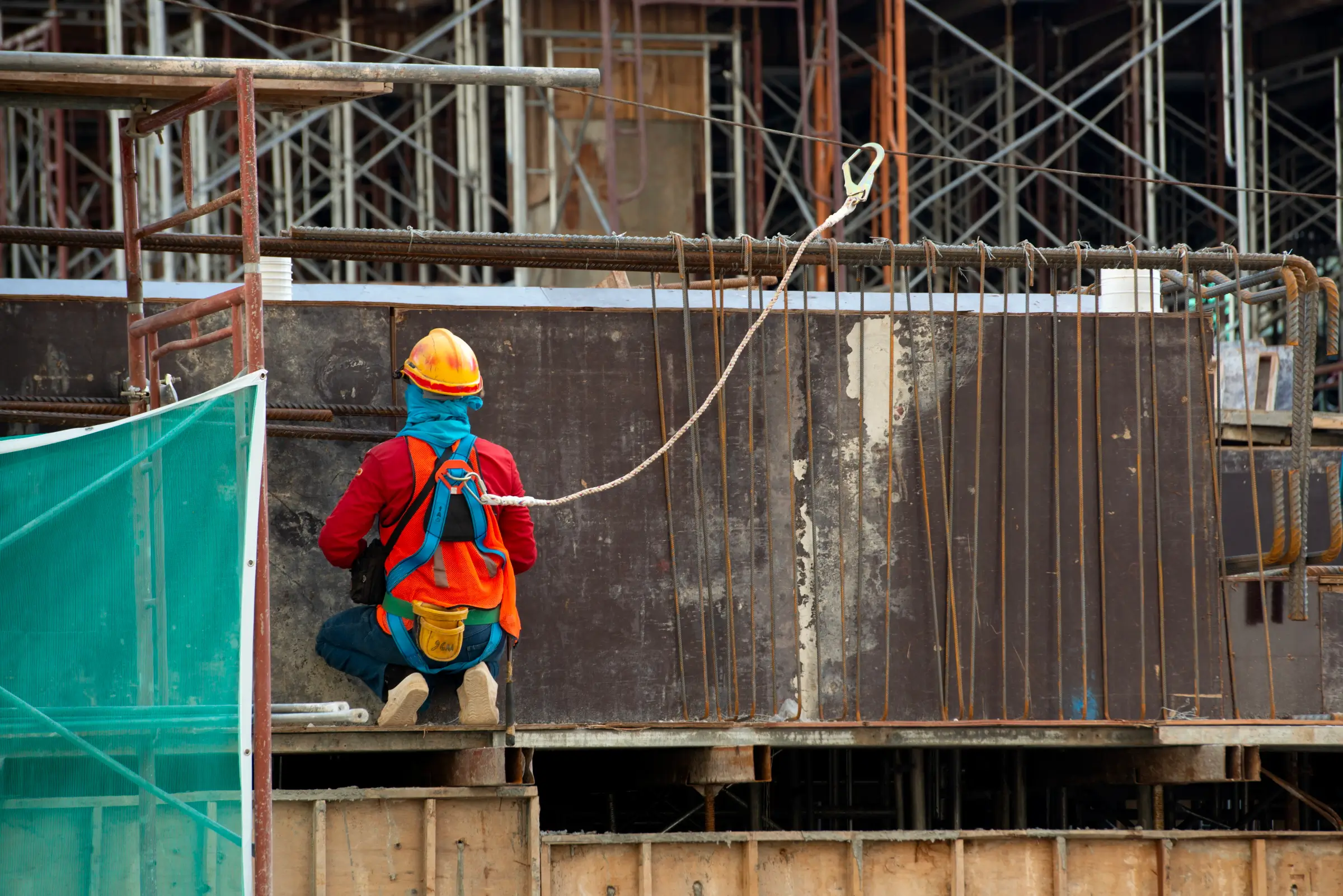
At its core, construction site safety is the set of practices, training, and daily habits that keep workers from getting hurt. That includes things like:
- Fall protection
- Proper equipment use
- Clear site layout
- Communication between every trade on the job
Construction site safety can’t be narrowed down to any one thing. It’s hundreds of small decisions made by every worker every day on every task. One unsafe decision by any worker, like walking past an unguarded edge or forgetting their harness pre-use, can undo weeks of good safety habits in moments.
Why Safety Culture Beats a Safety Checklist
A checklist tells workers what to do; a safety culture explains why they’re doing it in the first place. Construction safety topics like fall protection, trench safety, and toxic substance handling land differently when you understand the reasoning behind the rule, not just the rule itself.
Firms with great safety cultures see workers speak up when something looks wrong, even to a supervisor. That kind of open reporting catches small problems before they become injuries, and it only happens when people trust that raising a concern won’t cause trouble for them.
Construction Safety Training That Lasts
Construction safety training works best when it connects to real site conditions. Toolbox talks are perfect for this kind of training. Five or ten minutes of discussion about last week’s near miss or this week’s specific hazard will keep workers thinking about safety procedures instead of nodding off through another mandatory session.
Training should also be repeated. A single session at hiring rarely holds up months later on a busy site. Short, frequent construction safety topics, covered in five or ten minutes at the start of a shift, keep hazards fresh in workers’ minds without pulling them off the job for long.
The Role of a Safety-Trained Supervisor
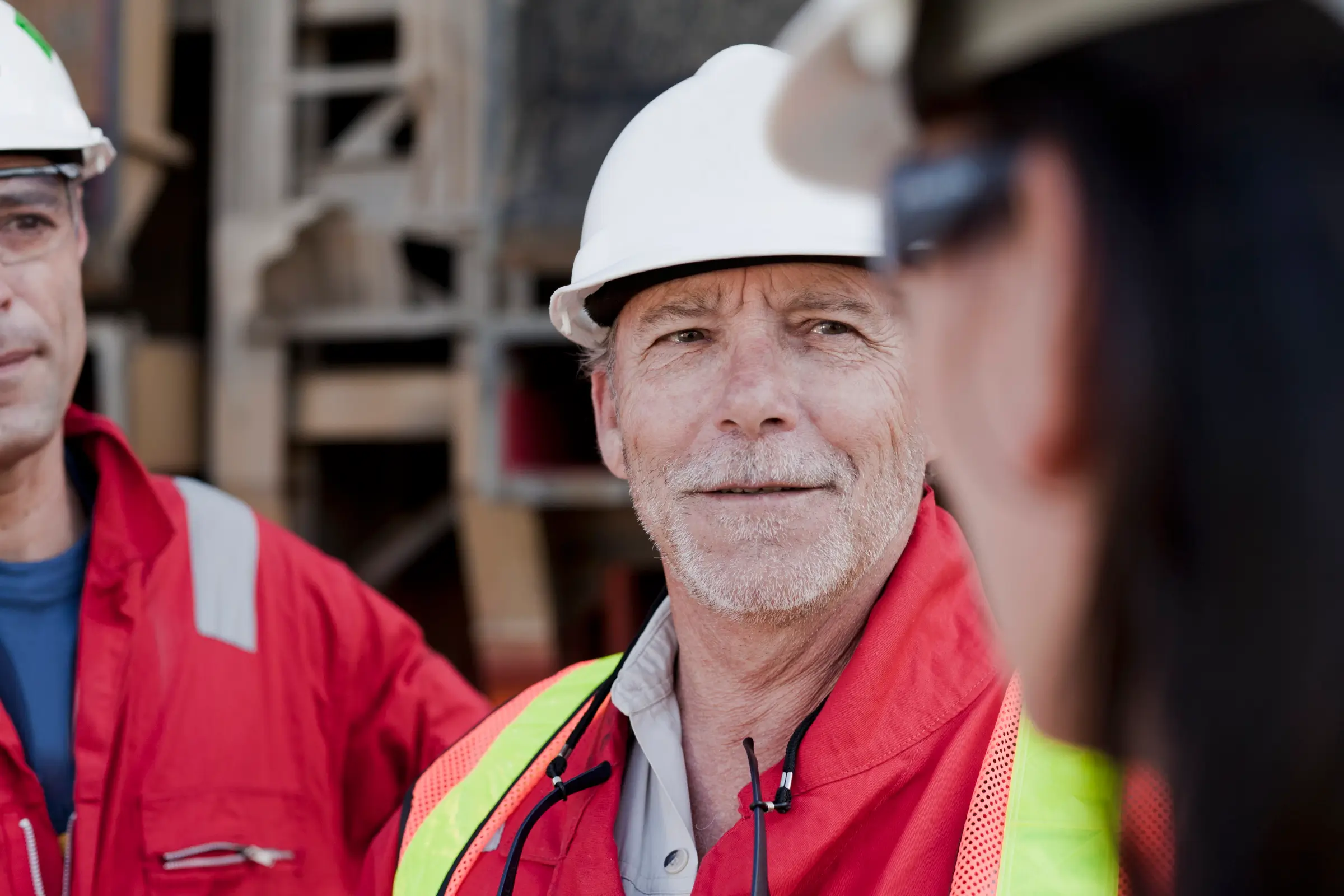
A safety-trained supervisor that construction crews can trust makes a measurable difference on site. This person watches for hazards, corrects unsafe habits in the moment, and models the behavior the rest of the crew should follow.
Putting a safety-trained supervisor on every crew reinforces the message that safety isn’t just corporate policy. It becomes part of daily leadership, backed by someone with the standing to stop work when something looks unsafe.
How to Inspect a Construction Site for Safety
Knowing how to inspect a construction site for safety starts with a routine. It’s more than a one-time walk-through. Daily checks of fall protection, electrical panels, scaffolding, and excavation sites catch issues before they turn into incidents.
Your inspectors should keep written records, too. Handwritten logs that track daily inspections show repeated attention over time, which helps immensely during insurance renewals and whenever you have a claim. A documented history of site inspections tells a clearer story than a verbal promise that safety comes first.
Construction Safety Management Across Multiple Sites
Construction safety management gets harder as a firm grows and runs more sites at once. What works for one crew on one job does not always transfer cleanly to a different site with different conditions and a different mix of trades.
Ideally, you have a construction safety manager overseeing and working across multiple projects. This allows you to standardize processes like near-miss reporting and toolbox talks while leaving room for crew-specific judgment calls when conditions change from site to site.
Construction Safety Software and Tracking Results

Construction safety software helps firms track training records, inspection logs, and incident reports in one place. This makes patterns easier to spot, like a site with repeat near misses or a crew due for refresher training.
Data from safety software also supports better conversations with your insurance agency. A firm that can show a strong safety record, backed by real records, is often in a better position when it comes time to talk about coverage and cost.
The Fatal Four: A Construction Safety Reality
Falls, struck-by incidents, electrocution, and being caught in or between objects account for more than half of all construction worker deaths each year, according to OSHA. These four hazards, sometimes called the Fatal Four, are also among the most preventable with steady attention.
Every incident tied to these hazards carries a cost well past the injury itself. Lost productivity, higher premiums, and damaged crew morale all follow a serious accident, which is why safety culture and safety insurance planning belong in the same conversation.
Connecting Safety Culture to Your Insurance Program
Safety insurance costs reflect your claims history and your daily practices on site. A firm with a documented culture of workplace safety, strong training records, and low incident rates is often better positioned during renewal conversations with carriers.
Starkweather & Shepley has worked alongside construction clients since 1879, helping firms across Rhode Island, Massachusetts, Connecticut, and Florida connect safety practices with their coverage. Our team can help you explore options that reflect how your crews work day-to-day.
If you want to talk through how your safety program affects your premiums, reach out to our team for a conversation grounded in your real site conditions, not a generic template.
Sources
- Banacia, A. (2018) Focus Four Initiative. Available at: https://www.foysafety.com/focus-four-initiative/ (Accessed 9 September 2026).
- U.S. Bureau of Labor Statistics (2012) Census of Fatal Occupational Injuries (CFOI). Available at: https://www.bls.gov/iif/overview/cfoi.htm (Accessed 9 September 2026).