
You’ve found a construction project you want to bid on, but the paperwork says you need a surety bond.
Some questions to ask include: What needs to be provided, and where should you start?
Getting bonded starts with showing you can carry out the work. The company issuing the bond will review your finances, experience, and project details before deciding whether to approve your request.
Preparing this information early on gives you time to answer questions and fill in any gaps in your understanding well before your bid is due.
Understanding What a Surety Bond Does

A surety bond is an agreement between 3 different parties:
- The Principal: Your company is responsible for meeting the contract’s obligations.
- The Obligee: The project owner/organization requiring the bond.
- The Surety: The institution that issues the bond and guarantees those obligations.
For a contractor, getting bonded means that a surety has issued a bond backing a specific obligation. It doesn’t mean your business has “blanket approval” for every other project. The surety reviews your application through a process called “underwriting.”
This process determines whether a surety can support your business and the proposed work.
What the Project Requires
Start with the bid documents or contract. They explain which bonds are required and whether you need a specific bond form.
Common construction bonds include:
- Bid bonds protect the owner if the successful bidder fails to enter into the contract or provide the required final bonds, according to the bond terms.
- A performance bond ensures that the contractor fulfills their obligation to complete the work in accordance with the contract.
- Payment bonds protect eligible subcontractors and suppliers from non-payment for covered labor or materials.
It’s advisable to send the requirements to your surety advisor, the professional who helps you prepare your application and work with the surety company.
Include the project’s location, scope of work, estimated contract value, and bid deadline. Also, share any required bond forms. Providing these details at the outset helps your advisor identify what is needed for the specific job or project.
Gather Your Financial Records

The surety needs to understand whether your business has the financial resources to take on the project.
You may need to provide (depending on the request):
- Year-end financial statements showing your business’s financial position and results
- Current financial reports indicating what has happened since your last year-end
- Accounts receivable aging reports showing what customers owe you and how long those amounts have been outstanding
- Accounts payable aging reports showing what you owe suppliers and other creditors
- Details of business loans and available bank credit
- Personal financial information for owners, if asked.
Your advisor will know which records are needed and if they must be prepared or reviewed by a certified public accountant, or CPA. Requirements can vary, so double-check before paying for unnecessary accounting work.
Top tip: Make sure all reports are dated, and the figures align across documents. If something needs explaining, include a short memo.
Show What You Are Already Working On

Your current projects are important because they already require money, people, and time.
The surety may request a work-in-progress schedule, often called a “WIP schedule.” This report shows the financial position and progress of any unfinished jobs.
It can include:
- The value of each contract
- Costs incurred to date
- Amounts billed to the customer
- Estimated cost to complete
- Expected profit upon job completion
- Anticipated completion date
Keep the estimates as current as possible. If either material costs have increased or a project is taking longer than expected, the report must reflect that. An accurate schedule helps the surety understand how the proposed project would work alongside the jobs you have already committed to.
Explain Your Relevant Experience

Your financial records matter, but it is also vital to showcase who will complete the work.
Prepare a short list of completed projects that are similar to the job you want to bid on. Include details, like the project’s size, type of work, completion dates, and references when available.
Provide information about the individuals responsible for managing and supervising the new project. Be clear about their relevant experience.
If this is your company’s first bond request, include the industry experience that your owners and key employees gained before starting or joining the business. Your advisor can support you in presenting that background.
Understand What You May Need to Sign
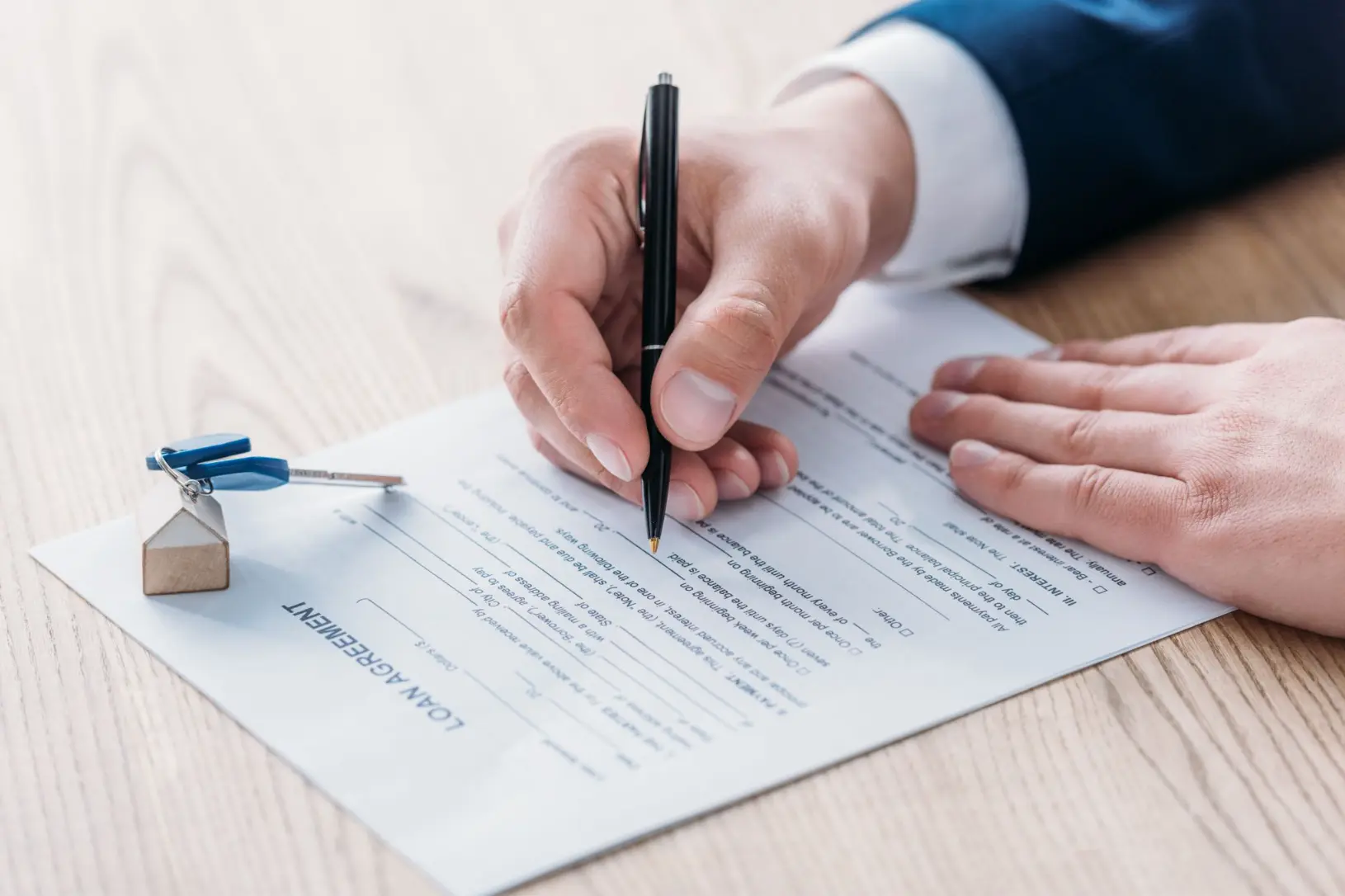
Before issuing bonds, a surety typically requires an indemnity agreement.
Indemnity refers to the obligation to reimburse another party for specific losses or expenses. In this agreement, the business and any other signers agree to repay the surety for the losses and costs outlined in the agreement.
Owners may be asked to sign personally. Read the agreement carefully and make sure you understand who is responsible and what obligations they are accepting. The “bond premium,” which is the price you pay for the bond, does not remove those potential repayment obligations.
Start Before the Bid Deadline Gets Close

There is no standard timeline for getting bonded. The review depends on the project, the bond requested, and the information you’ve provided. Give your advisor the deadline at the beginning. Ask for a checklist, then choose one person in your business to gather documents and coordinate the answers.
Before sending your application, check that:
- Your legal business name is correct throughout
- Financial reports and project schedules are current
- All required bond forms are included
- Project values and dates are consistent
- Anyone who needs to sign will be available
If obtaining a bond through the standard market proves difficult, ask your advisor whether the Small Business Administration’s Surety Bond Guarantee Program could be an option for you. The program helps eligible small businesses obtain bonds through participating sureties, although approval is still required.
Take the First Step with Starkweather and Shepley

You don’t need every answer before speaking with a surety advisor. Start with the project requirements, your deadline, and the business records you already have.
Starkweather & Shepley’s surety team can help you understand your bonding requirements and prepare for the next steps. Contact the team to discuss the project you want to pursue.
Sources
Merchants Bonding Company (n.d.) Understanding indemnity in surety bonds: a guide for contractors. Available at: https://www.merchantsbonding.com/talk-surety-to-me/understanding-indemnity-in-surety-bonds-a-guide-for-contractors (Accessed: 11 September 2026).
NASBP (n.d.) A surety’s perspective of underbilling and its impact on contractor financials. Available at: https://www.nasbp.org/pipeline-newsletter/a-suretys-perspective-of-underbilling-and-its-impact-on-contractor-financials (Accessed: 11 September 2026).
NASBP (n.d.) What are sureties? Available at: https://www.nasbp.org/wp-content/uploads/2024/11/NASBP_What_Are_Sureties_Final.pdf (Accessed: 11 September 2026).
South Carolina Procurement Services (n.d.) Bid, payment, and performance bonds. Available at: https://procurement.sc.gov/files/Bid,_Payment,_and_Performance_Bonds_091125.pdf (Accessed: 11 September 2026).
U.S. Small Business Administration (n.d.) Surety bonds. Available at: https://www.sba.gov/funding-programs/surety-bonds (Accessed: 11 September 2026).